Starting a business in Cambodia presents many opportunities alongside challenges that require determination and resilience from entrepreneurs. Here's a closer look at what lies ahead, dive into key points for a deeper understanding:

|
|
|
Starting a business in Cambodia presents many opportunities alongside challenges that require determination and resilience from entrepreneurs. Here's a closer look at what lies ahead, dive into key points for a deeper understanding:
0 Comments
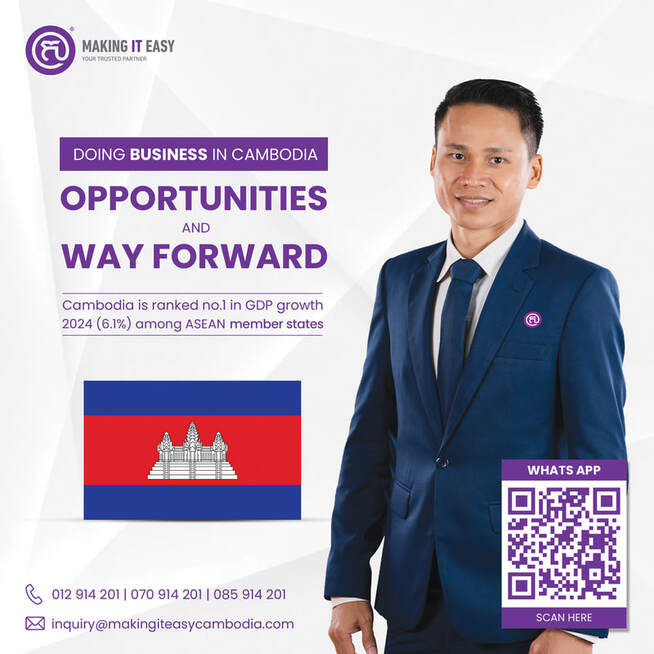 Cambodia is bouncing back stronger than ever post-pandemic, offering a wealth of opportunities for investors and entrepreneurs alike. Positioned strategically in Southeast Asia, the nation is leveraging its robust government support, favorable policies, and digital transformation efforts to spur economic growth. Key sectors like agriculture, manufacturing, and tourism are ripe for investment, thanks to targeted government incentives. Moreover, Cambodia's push for digital innovation and its role in regional supply chains underscore its attractiveness as an investment hub. 🚀🌾🏭
 Closing your business in Cambodia may seem like a drastic decision, but it can have some benefits for you and your future endeavors. Here are four reasons why you should consider this option instead of keeping your business active.
 1. Planning and Legal Setup Idea and Research: Identify a market need, conduct market research, and refine your business idea.
 Are you a detail-oriented and numbers-savvy professional with a passion for accounting and taxation? Join our accounting and taxation agency and play a pivotal role in accounting and taxation compliance for businesses in Cambodia.
Why Us?
If you’re ready to contribute to the financial health and help our customers navigate the complexities of tax laws, we’d love to hear from you. Submit your CV and Cover Letter now. First come, first served. Telegram: https://t.me/DoingBusinessInCambodia inquiry@makingiteaycambodia.com  Are you a goal-oriented professional with a passion for sales and a knack for building strong customer relationships? We’re looking for a Sales Specialist to join our dynamic team and drive our business forward.
Why Join Us?
If you're driven by targets, excel in a team environment, and are looking to make a significant impact, we’d love to hear from you. Submit your CV and Cover Letter now. First come, first served. Telegram: https://t.me/DoingBusinessInCambodia inquiry@makingiteaycambodia.com  🎥 Are You Passionate About Storytelling Through Video? 🌟
We’re on the hunt for a dynamic and creative Videographer and Video Editor to join our team. If you have a knack for capturing moments and bringing stories to life through your lens and editing skills, we want you! What We Offer:
If you’re ready to take your career to the next level and contribute to our creative vision, we’d love to hear from you. Submit your CV and Cover Letter now. First come, first served. Telegram: https://t.me/DoingBusinessInCambodia inquiry@makingiteaycambodia.com  There are a lot of factors that affect a business's performance, especially this 2024. With the global economy taking a bit of a dip, it comes as no surprise that most companies are tightening their belts. Cambodia is not an exception. But, unlike most countries, there are positive factors in the Cambodian business environment that you may want to consider.
 ការចុះបញ្ជីអាជីវកម្ម គឺជាចំណុចដ៏សំខាន់មួយដែលម្ចាស់អាជីវកម្មជាច្រើនចង់ចេះ ចង់ដឹងខ្លាំងមែនទែន ទាក់ទងនឹងចំណុចសំខាន់ៗដែលត្រូវធ្វើ ជំហានដែលត្រូវដើរ ឬគុណសម្បត្តិ គុណវិបត្តិ នៃការចុះបញ្ជីជាដើម
Business registration is an important point that many business owners are very curious about the important points to take, the steps to take or the advantages and disadvantages of registration.
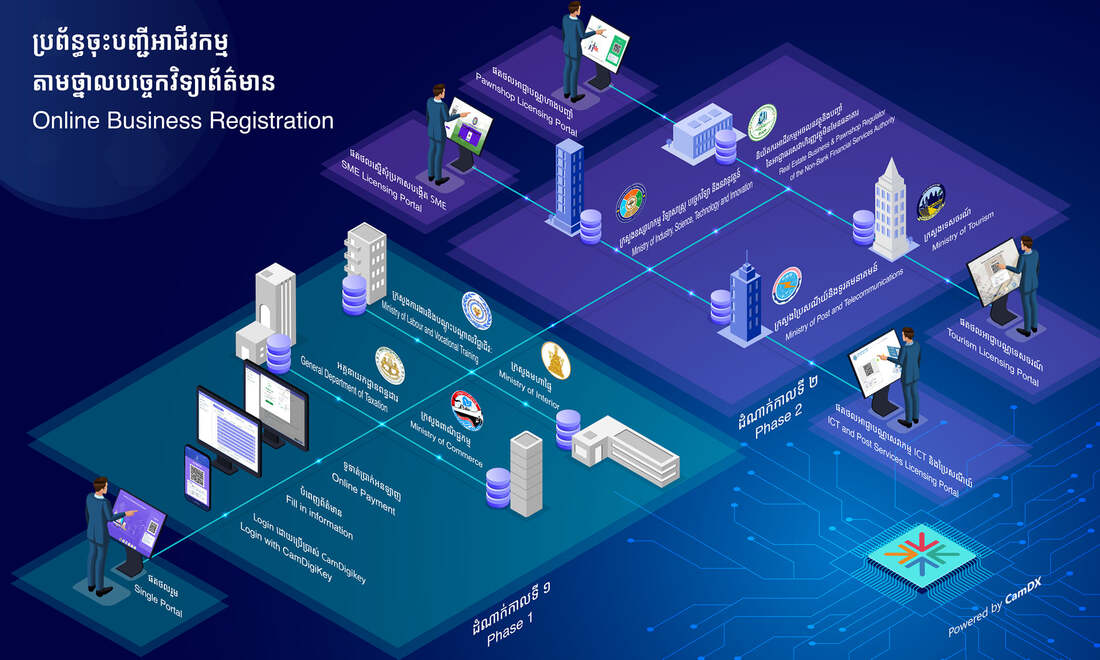 The Business Registration System on Information Technology Platform (Online Business Registration or OBR) Phase 2 will be officially launched on September 1, 2021 at 9:00am. You and all national and international press are invited to watch live the virtual, official launch ceremony of the OBR Phase 2 on September 1, 2021 at 9:00am via the Ministry of Economy and Finance’s Facebook page. There are four ministries / institutions participating in this second phase, including the Ministry of Industry, Science, Technology and Innovation, the Ministry of Tourism, the Ministry of Post and Telecommunications, the Real Estate Business & Pawnshops Regulation of the Non-Bank Financial Services Authority.
 Some people may think that starting a business is easy, but if we think about it deeper, we realize that actually starting a business is not as easy as it sounds, because if you neglect one step. Then your business can be a big problem for sure. And the important thing is not to go out of business as you want, even if you do not have clear skills.
 ANNOUNCEMENT of the Inter-Ministerial Committee to Fight Covid-19 on Request Mechanism of Voluntary COVID-19 Vaccination for Foreigners in Cambodia
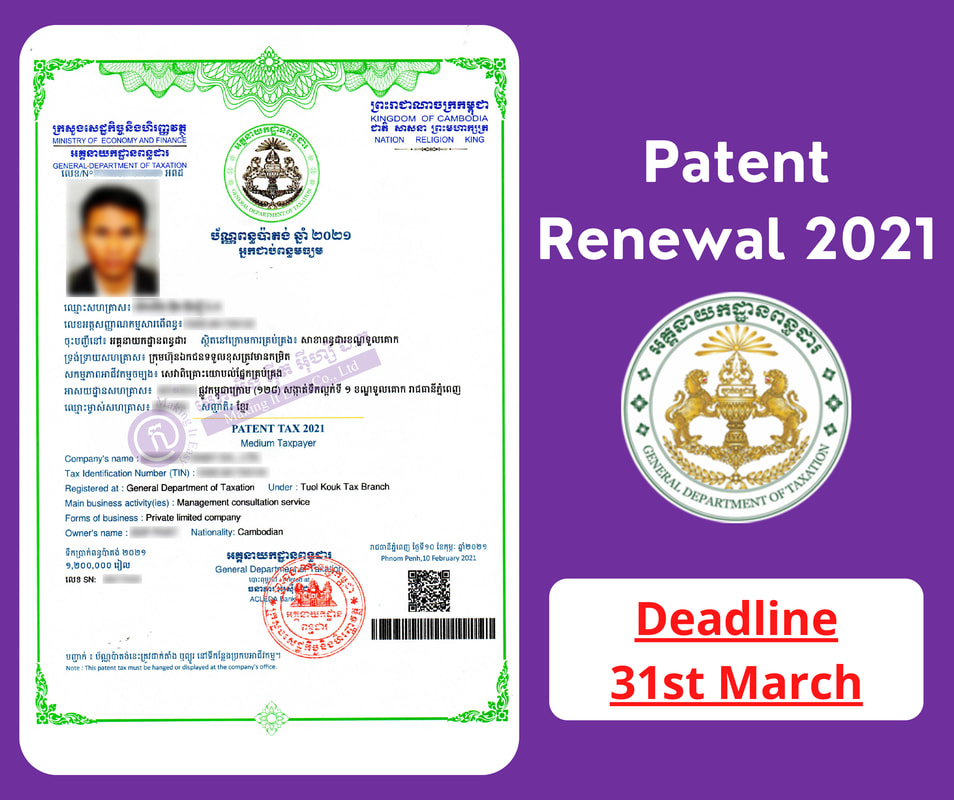 All registered businesses in the Kingdom need to renew their patent certificates annually between January 1 and March 31 of each year. Late renewals are subject to obstacle penalties according to the following formula ($500 obstacle penalty +10% total penalties values + 1.5% monthly interest rate).
Contact us now: +85570914201 / +85585914201 Email us now: inquiry@makingiteasycambodia.com Online Appointment Booking: https://makingiteasycambodia.simplybook.asia/v2/ 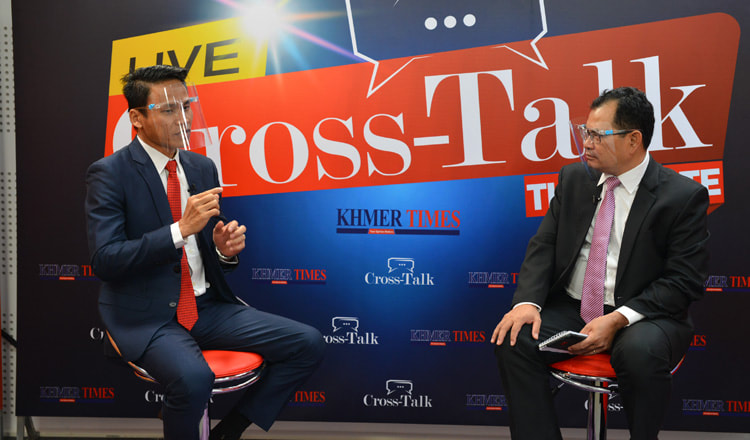 During a Cross-Talk interview with Khmer Times’ Kay Kimsong, Kong Kimsophat, chief executive officer and founder of Making It Easy (MIE), the first company to provide one-stop professional services for foreigners doing business in Cambodia, discusses business registration before and during the COVID-19 pandemic.
 Are you interested in registering a business in Cambodia? Have you got your business name checked and reserved?
 All registered businesses in the Kingdom of Cambodia need to file annual TOI returns between January 1 and March 31 2021 for the fiscal year 2020. Late returns are subject to obstacle penalties according to the following formula ($500 obstacle penalty +10% total penalties values + 1.5% monthly interest rate).
20% OFF! √ 2020 Annual Tax On Income Return! √ 100 clients who purchase before December 31, 2020 only! √ First come, first served! Call us: +85570914201 / +85585914201 Email us: inquiry@makingiteasycambodia.com Online Appointment Booking: https://makingiteasycambodia.simplybook.asia/v2/  ក្រុមហ៊ុនឬស្ថាប័ននៅកម្ពុជា ភាគច្រើនមានទាំងបុគ្គលិកជនជាតិខ្មែរ និង បុគ្គលិកជនជាតិបរទេស។ ប៉ុន្តែម្ចាស់ក្រុមហ៊ុនមួយចំនួនបានមើលរំលងកាតព្វកិច្ចមួយដ៏សំខាន់ គឺការស្នើសុំប្រើប្រាស់ហត្ថពលកម្មជនបរទេស ដែលភាសាអង់គ្លេសហៅថា Quota (កូតា) ពីក្រសួងកាងារនិងបណ្តុះបណ្តាលវិជ្ជាជីវៈ។ ចំពោះការខកខានមិនបានស្នើសុំការអនុញ្ញាត និងប្រើប្រាស់ហត្ថពលកម្មបរទេស (កូតា) ក្រសួងនឹងចាត់វិធានការផាកពិន័យតាមទោសប្បញ្ញត្តិ ជាទឹកប្រាក់ពី ៤៨៨ ០០០៛ ទៅ ៧២០ ០០០៛។ ការដាក់សំណើសុំ កូតាត្រូវធ្វើឡើងជារៀងរាល់ឆ្នាំ ពីខែកញ្ញា ដល់ ខែវិចិ្ឆកា។
បើក្រុមហ៊ុនឬស្ថាប័នរបស់លោកអ្នក ត្រូវការស្នើសុំ ប្រើប្រាស់ហត្ថពលកម្មបរទេស (Quota) សូមទំនាក់ទំនងមកលេខទូរស័ព្ទ ០៧០៩១៤២០១ ឬ អ៊ីម៉ែល inquiry@makingiteasycambodia.com។ Most companies or institutions in Cambodia have both Cambodian and foreign staff. But some business owners have overlooked an important obligation to apply for a permit for foreign labor employment (quota registration) from the Ministry of Labor and Vocational Training. Failure to apply for a quota, the Ministry will impose a fine of 488,000 Khmer Riels to 720,000 Khmer Riels. Quota renewal is made annually from September to November. If your company or organization needs to apply for the Quota, please call 0709142011 or email inquiry@makingiteasycambodia.com. Visit us: www.makingiteasycambodia.com Call us: +85570914201 / +85585914201 Email us: inquiry@makingiteasycambodia.com Online Appointment Booking: https://makingiteasycambodia.simplybook.asia/v2/  Making It Easy is the first company to provide one-stop professional services for foreigners doing businesses and invest in Cambodia. We specialize in four key areas: Business Registration & Maintenance, Corporate Tax, Serviced Office Space, and Relocation Support.
We are looking for full-time employees and freelance professionals as follow:  The Ministry of Economy and Finance is pleased to inform the publics and taxpayers that the government of Cambodia decided to delay the commencement of capital gains tax collection for another year until the end of 2021.
តើអ្វីទៅជា “កូតា”?
នៅក្នុងច្បាប់ស្តីពីការងារ និង ការប្រើប្រាស់របស់ក្រសួងការងារ និងបណ្តុះបណ្តាលវិជ្ជាជីវៈ “កូតា” គឺជាលិខិតអនុញ្ញាតប្រើប្រាស់ហត្ថពលកម្មបរទេស។ ហើយកូតា ក៏ជាឯកសារចាំបាច់សម្រាប់ស្នើសុំប័ណ្ណការងារជូនបុគ្គលិកបរទេស។  The Ministry of Commerce is pleased to inform all business owners who want to reserve their company’s names that you (users) can register your business and reserve your company name at one go through IT based business registration platform (also known as single portal) or you can choose to reserve your company names first and complete the business registration sometimes later.
 The Ministry of Economic and Finance in Cambodia made an official announcement (Prakas) regarding Tax On Capital Gains. The capitals gains refer to income earned from sale or transfer of capital assets with deduction of expenditure is made. The capital gains are subject to profits tax at a flat rate of 20%. This prakas decides to collect taxes on capital gains earned by taxpayers subjected to new Article 7 (1) of the Law on Taxation.
 Updates on Entry Requirements for Foreign Passengers to Cambodia with persistent measures and endeavors to combat COVID 19, in early August the Ministry of Health of the Kingdom of Cambodia released a new announcement on revision of entry requirements for foreign passenger to Cambodia to facilitate foreign passengers who plan to visit Cambodia and when arriving Cambodia
|
Our UpdatesShare with you | Share with your friends | Give us feedback Archives
March 2024
Categories
All
|
 RSS Feed